
Why Empty New-Build Homes Struggle to Connect With Buyers
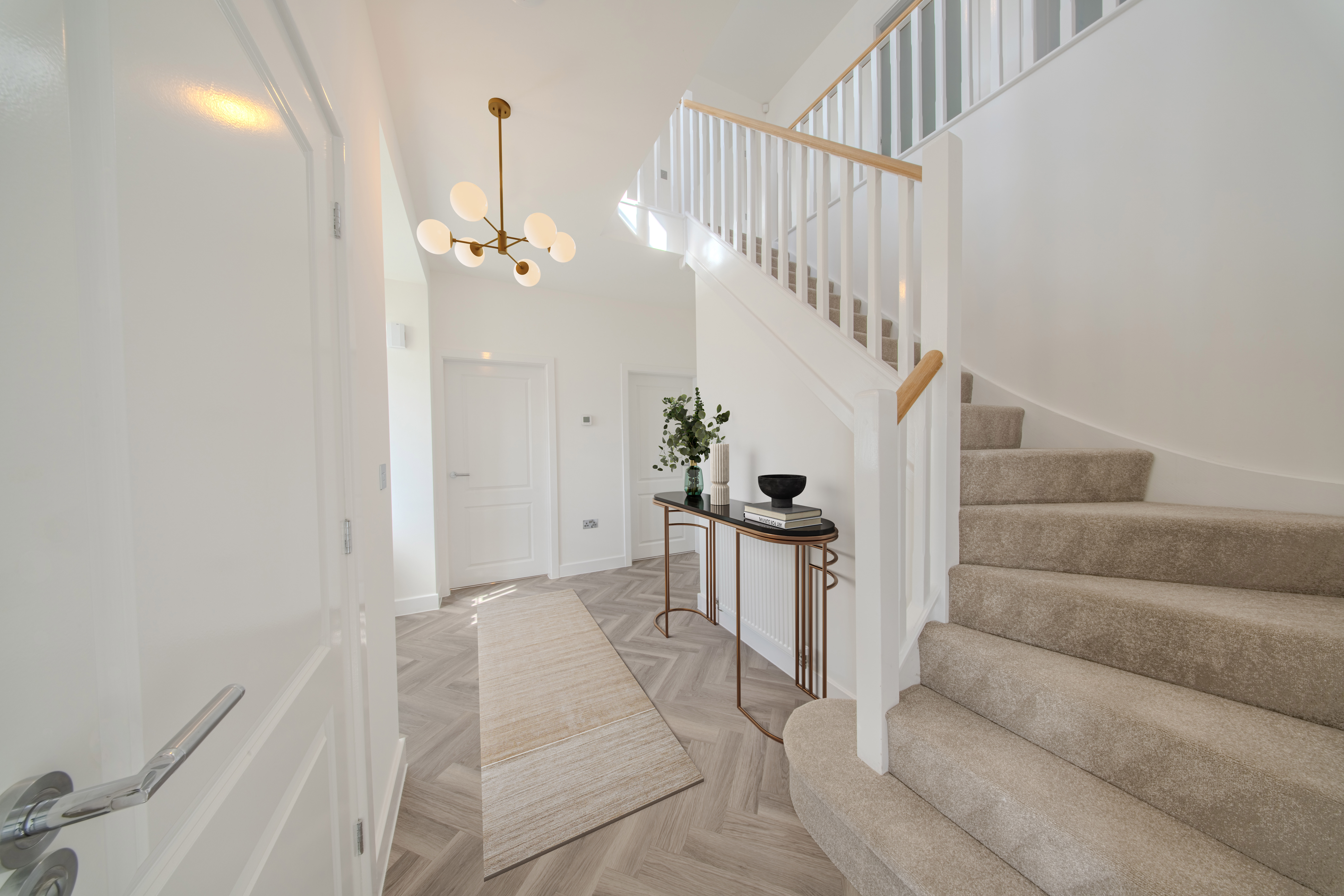
Table of Contents
- Buyers Make Decisions Emotionally First
- A Blank Canvas Isn't Always Helpful
- Empty Rooms Can Feel Smaller
- Buyers Need Help Visualising Their Future
- The Challenge for Developers and Estate Agents
- How Virtual Staging Helps New-Build Properties Stand Out
- Creating Lifestyle, Not Just Space
- A Cost-Effective Alternative to Show Homes
- Helping Buyers See the Potential
- In Conclusion
- Related Articles
New-build homes offer plenty of advantages. Modern layouts. Energy efficiency. Low maintenance. A blank canvas ready for someone to make their own. Yet despite these benefits, many new-build properties face an unexpected challenge when they reach the market. They can be difficult for buyers to connect with emotionally. The reason isn't usually the property itself. It's how the property is presented.
Buyers Make Decisions Emotionally First
Property purchases are often viewed as logical decisions. Budgets, locations, schools and transport links all matter. But before buyers compare any of those things, they make a quick emotional judgement. Can I imagine myself living here?
If the answer is yes, they'll keep scrolling through the photographs. If the answer is no, they'll often move on to the next listing. This is where many empty new-build homes struggle.
A Blank Canvas Isn't Always Helpful
Developers often describe new-build properties as a blank canvas. While that's technically true, buyers don't always see it that way. An empty living room can feel cold. A vacant bedroom can seem smaller than it really is. An open-plan space can feel difficult to understand without furniture providing scale.
Instead of imagining possibilities, buyers are left trying to work everything out for themselves. Many simply don't.
How Buyers Judge a Property in the First 10 Seconds Online
Empty Rooms Can Feel Smaller
One of the biggest surprises for sellers and developers is how different a room can appear online compared to in person. Without furniture, buyers have no point of reference. They may struggle to judge:
- Room proportions
- Furniture placement
- Layout options
- Flow between spaces
A room that feels spacious during a viewing can appear much smaller in photographs.
Buyers Need Help Visualising Their Future
When buyers browse property listings, they're not just looking at bricks and mortar. They're imagining their future life. They picture where they'll eat dinner. Where they'll relax after work. Where guests will stay. Where children might play. When a room is completely empty, creating that emotional connection becomes much harder.
The Challenge for Developers and Estate Agents
New-build developments often compete with multiple similar properties. If every listing looks almost identical, buyers have little reason to engage with one property over another. Creating a memorable first impression becomes critical. This is particularly important online, where buyers may spend only a few seconds deciding whether to explore a property further.
How Virtual Staging Helps New-Build Properties Stand Out
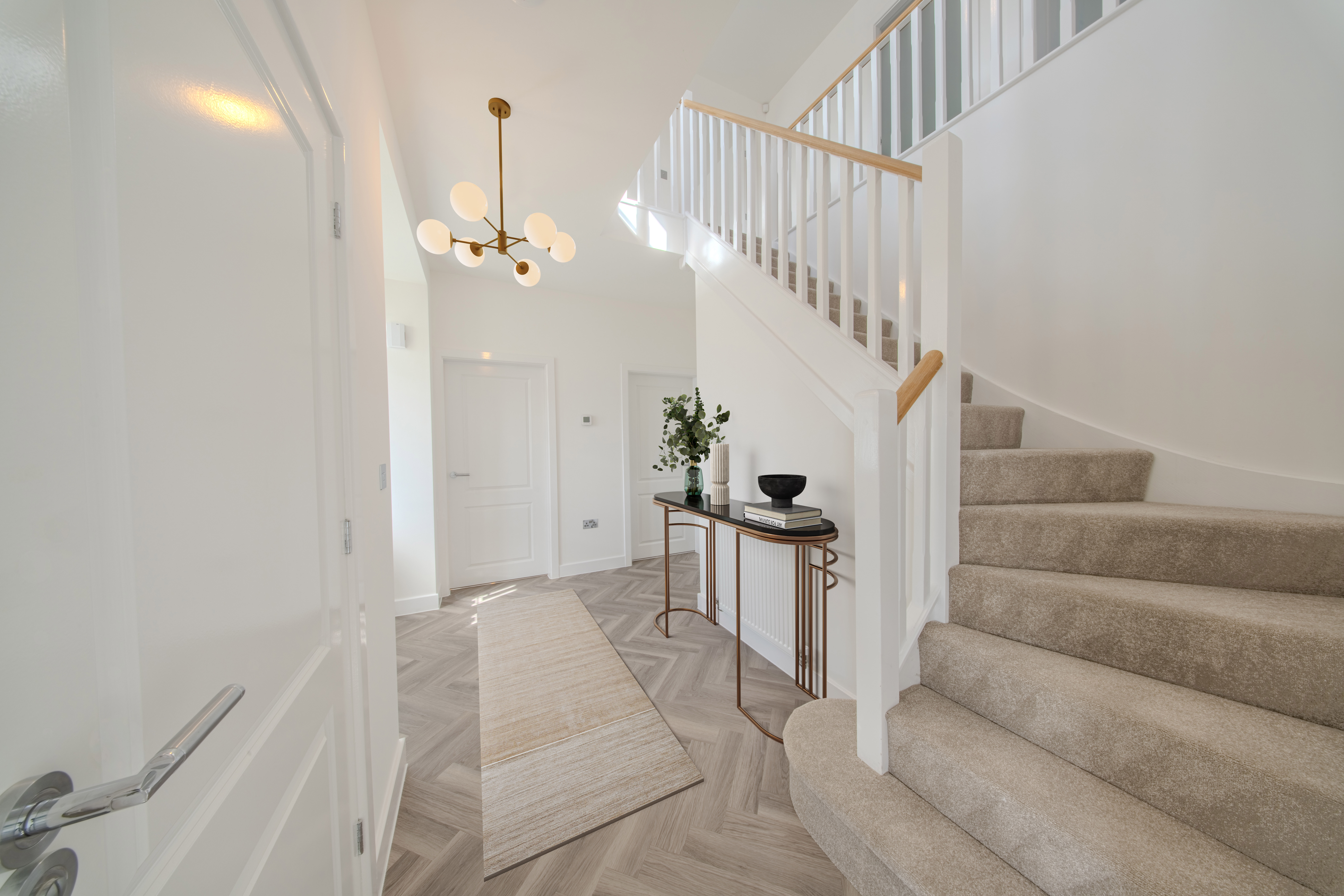
Virtual staging transforms empty photographs into inviting, lifestyle-focused spaces. Using photorealistic digital furniture and styling, buyers can immediately understand how rooms could be used. Instead of looking at empty walls, they see:
- Family living spaces
- Dining areas
- Home offices
- Guest bedrooms
- Relaxing retreats
The property itself remains unchanged. The difference is that buyers can visualise themselves living there.
Creating Lifestyle, Not Just Space
One of the biggest advantages of virtual staging is its ability to tell a story. A furnished room communicates purpose. A styled home communicates lifestyle. Rather than asking buyers to imagine possibilities, virtual staging helps them experience them. That emotional connection can make all the difference when buyers are comparing multiple properties online.
A Cost-Effective Alternative to Show Homes
Show homes remain an effective sales tool, but they are not always practical for every property or development. Virtual staging allows developers and agents to showcase potential without the costs associated with furnishing physical properties. It can also be tailored to different buyer demographics, from first-time buyers to downsizers and investors.
Helping Buyers See the Potential
The challenge with many new-build homes isn't the quality of the property. It's helping buyers connect with it. When people can see how a space could work for them, they engage more deeply with the listing and are more likely to arrange a viewing. Because buyers don't just purchase square footage. They buy the life they can imagine living there.
In Conclusion
New-build properties offer tremendous potential, but empty rooms can sometimes make that potential difficult to see. Virtual staging bridges the gap between an empty space and a future home. By helping buyers visualise how rooms could look and feel when lived in, developers and estate agents can create stronger first impressions, improve engagement and help properties stand out in a competitive market. Because the challenge isn't selling the property. It's helping buyers imagine themselves living there.
Do Virtually Staged Photos Increase Property Offers? The Data Says Yes
Does virtual staging work for new-build homes?+
Can virtual staging replace a show home?+
Does virtual staging make rooms look bigger?+
Is virtual staging suitable for developers?+
How quickly can virtual staging be completed?+
Related Articles
What Makes a Property Look Expensive Online?
How to Sell an Empty Property Faster: 5 Proven Strategies
Do Virtually Staged Photos Increase Property Offers? The Data Says Yes
Ready to try virtual staging?
From £55 per image. Delivered in 48 hours. No subscription.
Order Virtual Staging